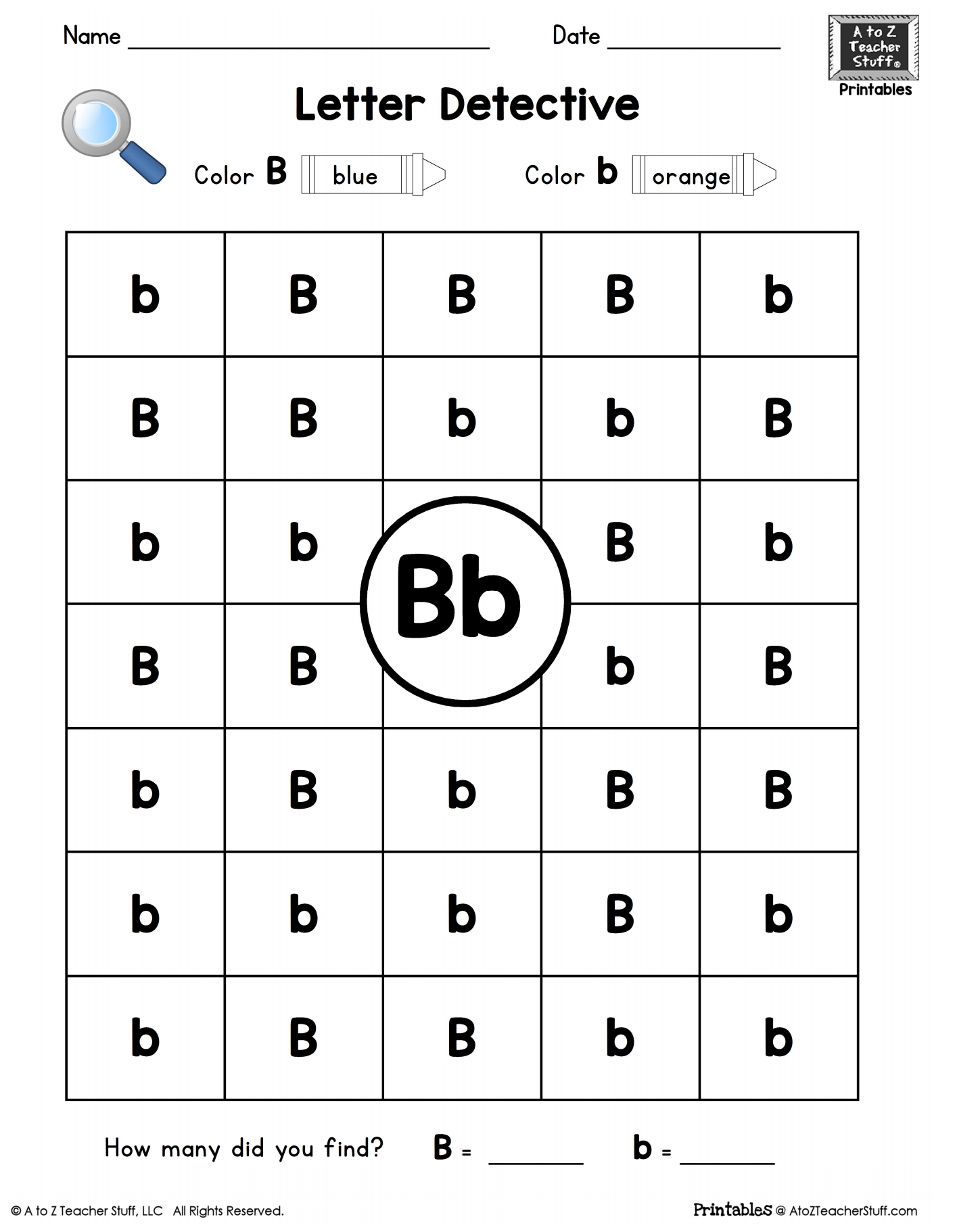
Letter B (or S) Smoothie + Story Activity
Lesson 272 • By Amy (Expanded Version)
Grade Level: Kindergarten
Learning Objectives
Students will:
- Recognize and identify the letter B (or letter S) in print.
- Connect the letter sound to real-life objects (blueberries / strawberries).
- Build vocabulary through reading and discussion.
- Practice predicting, describing, and using sensory language.
- Engage in a hands-on cooking activity that involves sequencing and measurement.
- Experience new foods and make observations about taste, smell, and texture.
Materials
Book Options
- For Letter B: Blueberries for Sal by Robert McCloskey
- For Letter S: The Little Mouse, the Red Ripe Strawberry, and the Big Hungry Bear by Don & Audrey Wood
Smoothie Ingredients (makes 1–2 servings)
- 1 cup low-fat milk
- 1/2 cup nonfat frozen yogurt or fruit sherbet
- 1 banana
- 1/2 cup blueberries or strawberries (fresh or frozen)
Supplies
- Measuring cups
- Blender
- Cups for serving
- Spoons or straws
- Wet wipes or napkins
- Chart paper (for word lists or predictions)
Step-by-Step Lesson Plan
1. Introduce the Letter
Hold up the letter:
- B for Blueberries
- S for Strawberries
Say the sound together.
Make a list of words students already know that begin with that letter.
2. Read-Aloud
For B:
Read Blueberries for Sal.
Pause to point out:
- Bear
- Blueberries
- Bucket
- Bump
- “Kerplink, kerplank, kerplunk!”
For S:
Read The Little Mouse… Strawberry… Big Hungry Bear.
Discuss:
- Strawberry
- Sneaking
- Sharing
- Smell
- Slicing
- Scared (how the mouse feels)
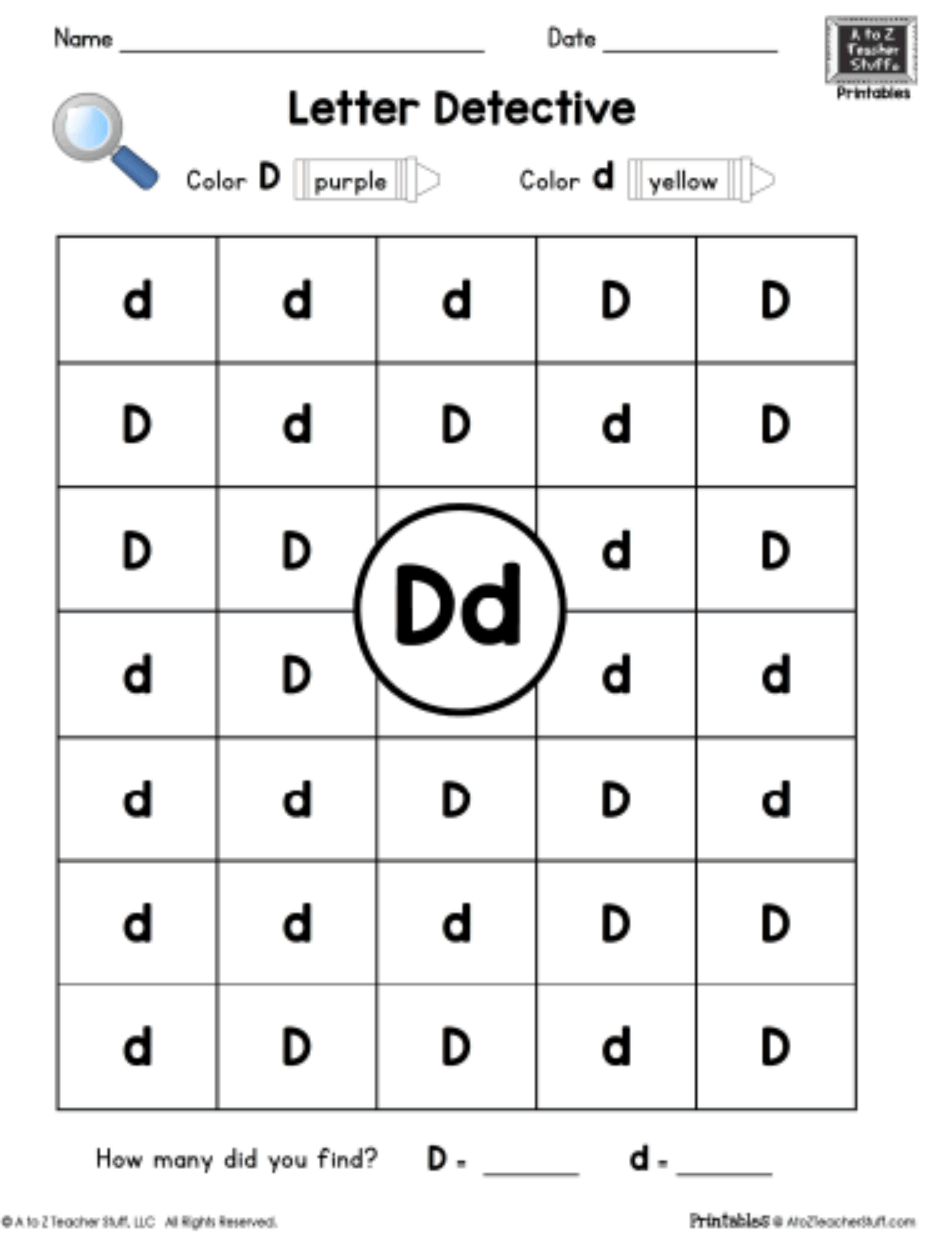
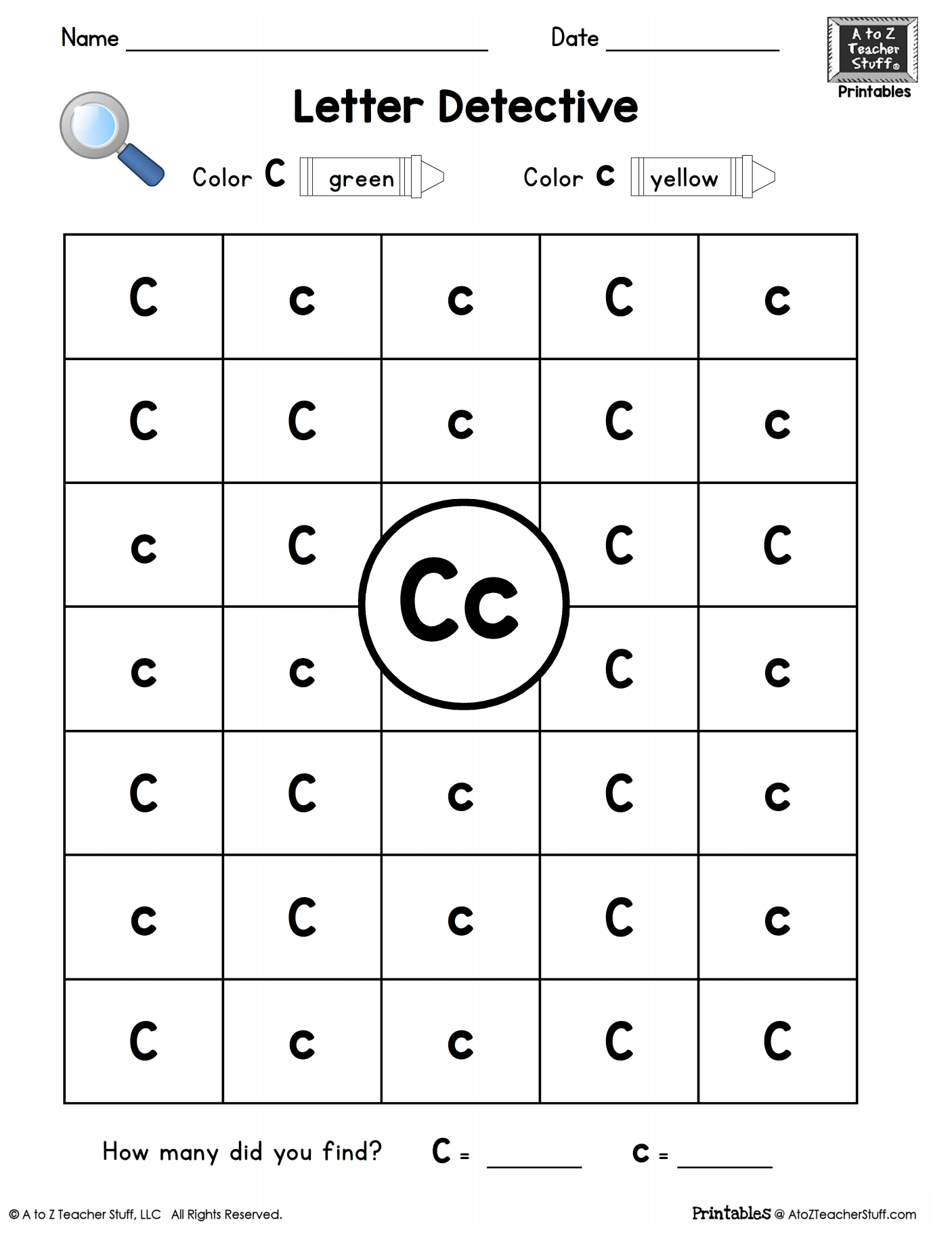
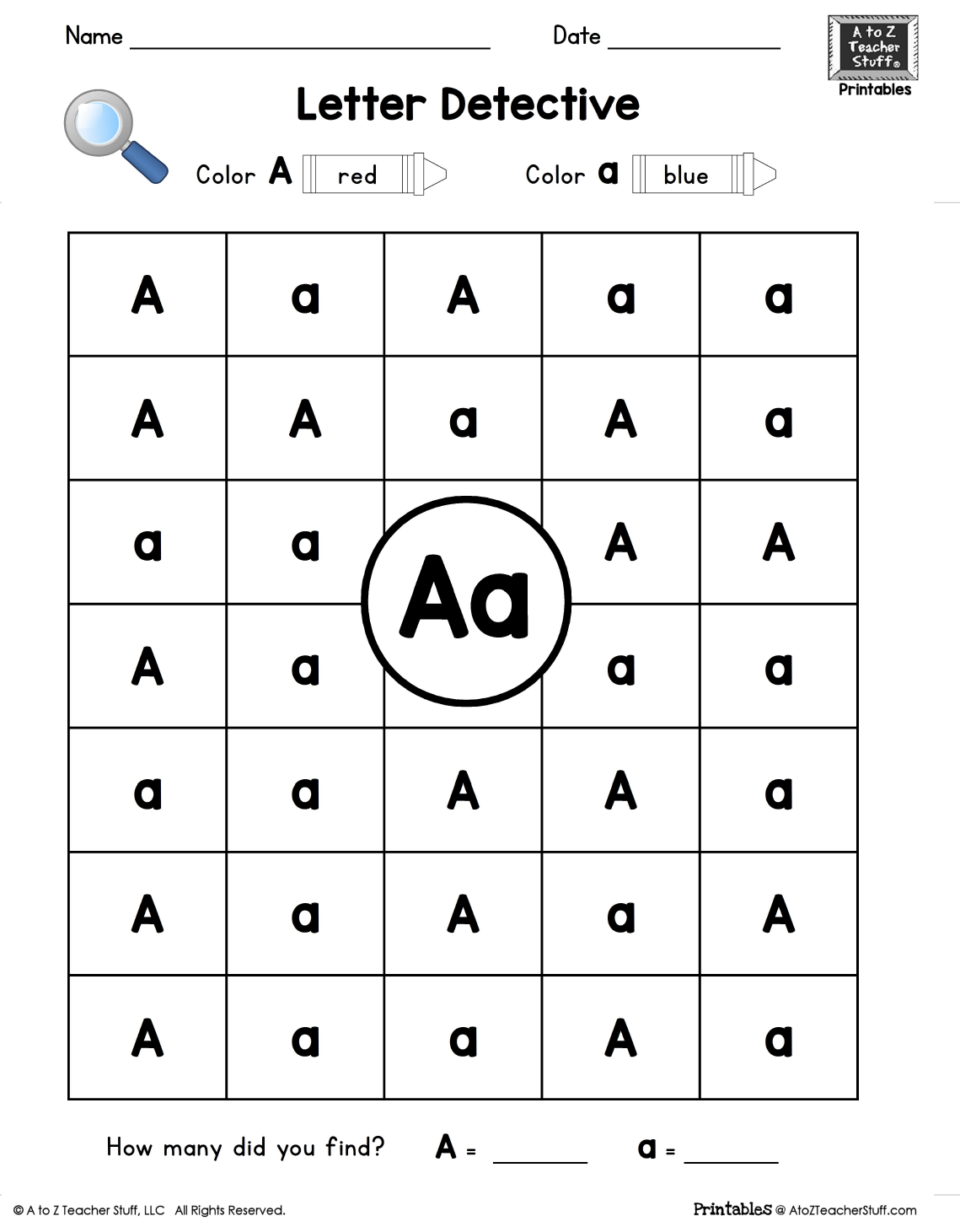
3. Letter Hunt
On chart paper, write:
“Let’s find words that start with the letter B (or S).”
Students call out every word they hear beginning with the target letter.
Record the list and leave it posted for the week.
4. Sensory Exploration
Ask:
- “Have you ever eaten a blueberry/strawberry?”
- “What do you think it will taste like?”
- “Smell like?”
- “Soft, squishy, sweet, sour?”
Pass out ONE berry per child to taste.
Allow children to describe their experience using sensory vocabulary.
5. Smoothie-Making Demonstration
Review safety:
“Only grown-ups touch the blender.”
Invite students to help:
- One child adds the milk
- Another adds frozen yogurt
- Another adds the fruit
- Another adds banana pieces
Let the class count together:
“1 cup milk… 2 scoops of yogurt…”
Blend until smooth.
Serve in small cups.
Encourage polite “thank yous” and respectful “no thank yous.”
6. Enjoy & Discuss
While drinking smoothies, discuss:
- “What letter did we learn today?”
- “What ingredients started with B/S?”
- “Which did you like best?”
- “What color is the smoothie?” (Another letter connection!)
✨ Optional Extensions
1. Smoothie Graphing
Make a bar graph:
- “Who liked the smoothie?”
- “Who preferred blueberries vs. strawberries?”
This introduces simple data representation.
2. Predicting Flavor
Children guess whether blueberry or strawberry smoothie will be sweeter.
3. Cooking Vocabulary Cards
Teach:
- Blend
- Pour
- Measure
- Scoop
- Smooth
- Frozen
4. Art Extension
Fingerpaint blueberry dots or strawberry seeds using Q-tips.
5. Writing Center Connection
Sentence starters:
- “B is for __________.”
- “My smoothie tasted __________.”
- “A blueberry is __________.”
️ Safety Notes
- Only an adult should operate the blender.
- Watch for food allergies.
- Use small tasting amounts.
- Clean hands before and after food handling.
Informal Assessment
Observe whether students can:
- Identify the target letter and its sound
- Recognize letter-starting words in the book
- Participate in sequencing steps
- Describe berries using sensory descriptors
- Engage appropriately in the tasting activity
Browse:
Find More: