Ocean Art: Creating a Sea Habitat Picture
Lesson 245 • By Chris (Expanded Version)
Grade Level: Preschool–Kindergarten
Learning Objectives
Students will:
- Create an ocean picture showing animals in their correct habitat areas.
- Identify and name common ocean animals, shells, and ocean zones.
- Explore texture through finger paint, sand, and shells.
- Strengthen fine-motor skills (painting, gluing, coloring, cutting).
- Talk about species, habitats, and ocean life in simple science terms.
Materials
- Sturdy white paper or cardstock
- Blue finger paint
- Sand (play sand or craft sand)
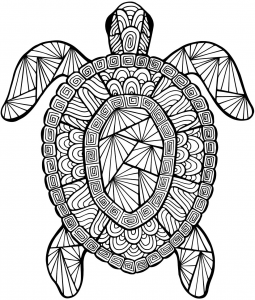
- Pictures of ocean creatures (fish, crabs, dolphins, whales, jellyfish, turtles, starfish, etc.)
- Small shells (cleaned and safe for preschool use)
- Crayons or markers
- Glue
- Optional: glitter, seaweed cutouts, ocean zone labels
Introduction (Circle Time)
Show students a few ocean animal pictures.
Ask:
- “Where do fish live in the ocean?”
- “Do whales live near the sand or far out in deep water?”
- “What things might we see on the ocean floor?”
Introduce vocabulary:
- Ocean habitat
- Shallow water / Deep water
- Sea floor
- Shells
- Seaweed
This sets the stage for thoughtful placement later.
Step-by-Step Art Activity
1. Finger Paint the Ocean Background
- Give each child a sturdy piece of paper.
- Have them finger paint the entire paper blue to represent the ocean.
- Encourage swirls, waves, and movement patterns.
2. Add Sand to the Ocean Floor
- While the paint is still wet, help students sprinkle sand across the bottom section of the paper.
- Shake off excess sand.
- Let the artwork dry overnight.
Explain:
“This sandy part is the sea floor, where crabs, shells, starfish, and bottom-dwelling animals live.”
Step 3: Learn About Ocean Animals
Pass out pictures of ocean creatures.
Discuss each:
- Where in the ocean they live (near the sand? near the top? deep water?)
- What they eat
- How they move
- What species they belong to
- Any special features (claws, fins, tentacles, shells)
Keep it simple and visual.
✂️ Step 4: Color, Cut, and Place the Animals
- Children color their ocean animals.
- Carefully cut them out (assist as needed).
- Glue them onto their dried ocean background.
Encourage correct placement:
- Crabs, starfish, shells → on the sand
- Fish, turtles → in the mid-water
- Jellyfish, dolphins → near the top or freely floating
- Whales → deeper water
Children often enjoy explaining why they placed each creature where they did!
Step 5: Add Shells
- Glue small shells to the sandy bottom for texture and realism.
- Optional: add seaweed cutouts or sprinkle a little eco-safe glitter for sparkle.
️ Closing Discussion
Invite children to share their art.
Prompts:
- “Which animal did you put on the sand?”
- “Which animals swim in the deep water?”
- “What is your animal’s habitat?”
- “Can you name your ocean creature?”
This reinforces vocabulary, science, and expressive language.
✨ Optional Extensions
1. Ocean Zones Lesson
Introduce simple zones:
- Shallow (sunlight zone)
- Middle
- Deep
Let students label them or draw lines.
2. Add Movement
Play ocean sounds and let children pretend to swim, glide, or crawl like different sea creatures.
3. Sorting Center
Provide animal cards to sort by:
- Habitat (sand, middle, deep)
- Size
- Diet (plant-eaters, meat-eaters)
4. Read-Aloud Tie-Ins
Suggested books:
- Commotion in the Ocean
- Rainbow Fish
- Over in the Ocean in a Coral Reef
Informal Assessment
Check whether the student can:
- Name at least one ocean animal
- Place animals in an appropriate habitat area
- Use fine-motor skills for painting/cutting/gluing
- Describe something they learned about the ocean