Color Musical Chairs (Without the Chairs!)
Music Walk
Lesson 239 • By Debbie Haren (Expanded Version)
Grade Level: Preschool
Learning Objectives
Students will:
- Walk in a circle to music and stop when it ends.
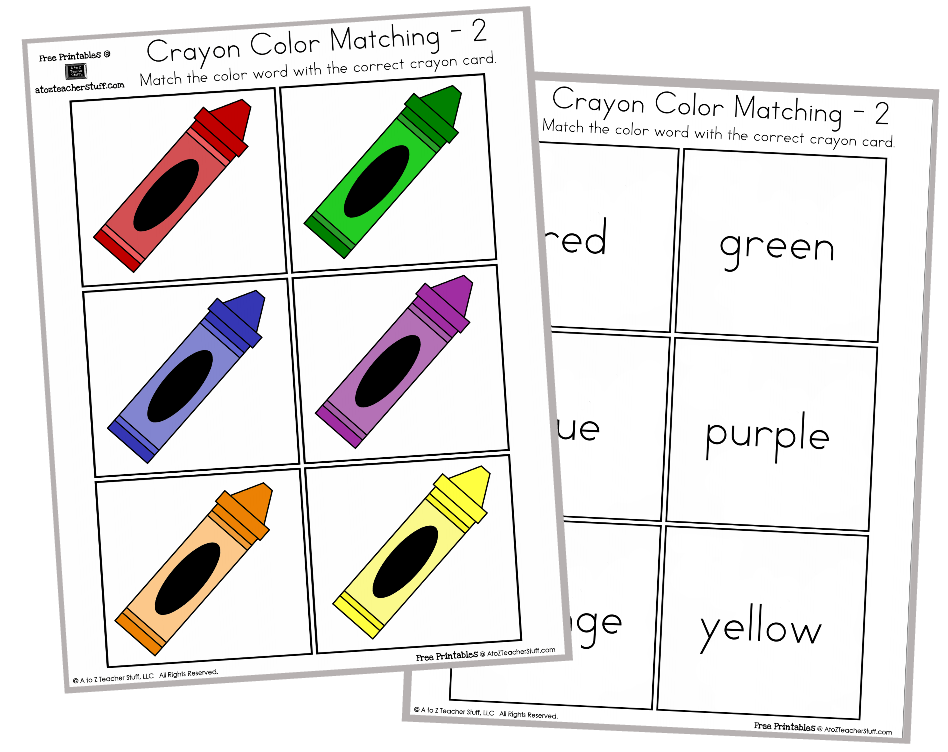
- Identify and name basic colors.
- Take turns responding to questions.
- Follow simple group directions.
- Build listening skills, self-regulation, and social participation.
Materials
- Music (slow to moderately fast; upbeat preschool songs work best)
- Cassette player, CD player, or digital speaker
- Tape (to secure paper to the floor)
- Construction paper in multiple colors
- Recommended: red, yellow, blue, green, orange, purple
- 3–4 sheets of each color
- Open floor space for movement
Preparation (Part 1)
- Tape the colored construction paper sheets securely to the floor in a wide circle.
- Make sure you have one paper spot per child, with extras if you want multiple sheets of the same color.
- Space papers so that several children walking together can move safely without bumping.
Game Procedure
Part 2: Walking to Music & Identifying Colors
- Have children walk in a circle around the color papers, not standing on them yet.
- Start the music.
- When the music plays, children walk or march in a circle.
- When the music stops, children quickly step onto the closest paper.
- The teacher calls out:
“Who is standing on green?”
Children standing on green raise their hands and say their names.
Rotate through different colors each round.
Teacher Prompts
- “Point to your color!”
- “Say your color word!”
- “Who has red? Who has blue?”
- “Let’s count how many friends are on yellow!”
This reinforces color recognition and number sense.
Part 3: Optional Prize Version (For Celebrations)
For classroom parties, festivals, or birthdays:
- Each time the teacher calls a color, children standing on that color win a small prize (sticker, stamp, or treat).
- Continue playing until everyone has won or until all color cards have been called.
This allows all children to succeed and keeps the atmosphere positive.
✨ Helpful Variations
1. Movement Challenge
When the music is playing, try:
- Tiptoeing
- Hopping
- Slow walking
- Marching
- Walking backwards (carefully)
- Giant steps
2. Color Hunt
After stopping, ask students to:
- Find something in the room that matches their color
- Bring it back or simply point to it
- Name it (“I found a red block.”)
3. Color Clues
Instead of naming the color, give a riddle:
“I’m thinking of a color that looks like the sky.” (Blue)
“I’m thinking of a color you see on pumpkins.” (Orange)
Great for vocabulary development.
4. Rainbow Rounds
Say:
“Everyone move to a new color!”
or
“Find a color you haven’t stood on yet!”
Safety Tips
- Make sure the paper is securely taped to prevent slipping.
- Keep walking pace slow to moderate — no running.
- Space students evenly to avoid crowding.
Assessment
As students play, check whether they can:
- Identify color words
- Follow start/stop cues in music
- Move safely and cooperatively
- Respond when their color is named
- Say their own name clearly when called upon
Browse:
Find More: